
I’m Good At Workplace Relationships, So Why Is This One Relationship Ruining Everything?
As a leader in your area, you’ve learned to put work into relationship navigation. You’ve become adept at building connections, whether that’s through helping others out, being genuinely competent at what you do or purposeful networking to expand your sphere of influence. You’re generally regarded as someone who can get things done and the relationships you’ve built have been a necessary part of that success. So why can’t you get it right with this one person?
In my work with neurodivergent leaders, I’ve had genuinely exceptional people be taken off projects or threatened with performance improvement plans all because of one working relationship that has gone horribly wrong. So in this article we’re going to talk about why this happens, why it’s important to get on top of it as soon as possible and how to go about moving the relationship in a positive direction again.
Why Workplace Relationships Break Down
I’m starting with this question because this is often part of what the neurodivergent leaders that I work with find most frustrating. They’re usually very good at cultivating positive relationships and likely haven’t behaved any differently with this person, so when the relationship starts to deteriorate, they’re confused. They’re analysing their behaviour, trying to work out where they mis-stepped and worrying about the potential for it to happen again.
This part is particularly difficult because there often isn’t a clear answer as to the initial cause. Maybe this person was having a bad day and something innocent you said landed directly on their insecurity. Maybe they misunderstood something you said and came up with the worst possible interpretation of your intent. Maybe you did accidentally phrase something clunkily without realising and there was no allowance for the faux pas. The problem is, you probably won’t find out.
This is annoying because when we’re someone who usually excels at relationships, we need to find out the answer. I’ve recently been here myself, completely baffled by an interaction I haven’t understood and desperate to work it out. It was actually having a real mental health impact on me that I couldn’t tell what was wrong and therefore couldn’t fix it, but I had to work through the exact same process I take my clients on and realise: You often won’t be able to find out the original cause and you’re going to need to get okay with that in order to move forward.
Because the initial cause isn’t as important as what happens next. One small upset can usually be resolved, especially if the cause is known, but it’s the subsequent pattern that causes the relationship to deteriorate.

One difficult experience in an otherwise positive relationship stands out but isn’t really a problem. It’s when it becomes a pattern that things start to take a turn.
Psychological Safety in a Relationship
In any relationship, not just workplace relationships, we have the concept of psychological safety. With the people closest to you, you have high levels of psychological safety. It’s the reason you can be vulnerable with each other and give your friend the benefit of the doubt when they do something that bothers you. The high psychological safety means that when one of you makes a mistake, the other assumes good intention despite the impact, meaning you can work through it and arrive on the other side.
Psychological safety isn’t just defined by closeness though. If you’ve ever spilled your life story to a stranger in the pub, it’s probably because you felt a level of psychological safety with this person. It can be the fact that they’re a stranger that makes you feel more psychologically safe. They don’t know you or anyone you know, so it’s safe to share information with them without any potential repercussions.
When you meet someone new in a work environment, the shared goals you have working together are usually enough to bake in a baseline level of psychological safety and that’s something you can build on. That’s why you’re usually good at building relationships; you have a reasonable starting point when it comes to psychological safety and can build on it from there. It’s only when psychological safety takes a hit that things start to go wrong.
As I mentioned in the last section, we might not find out why the psychological safety of the other person has been lowered but the key point is that we’re starting from a lower point of psychological safety than other relationships.
This means that there is a different layer of interpretation going on in the relationship. Something clumsy that would have been given benefit of the doubt in a relationship with higher psychological safety can be interpreted as a slight, or a misunderstanding on their part could lead to them taking a negative interpretation of your intent. In this case, it doesn’t really matter what you said or did, it is how they interpreted it that is most significant.

As with much of life, how an individual interprets events comes down to their perspective.
Of course once they have interpreted your intent as negative, this lowers their psychological safety. It then prompts them to respond negatively towards you which lowers your psychological safety as well and all of a sudden we’re caught in a negative spiral where both parties are feeling psychologically unsafe and making each other feel worse, all the while blaming the other person for the underlying issues.
The problem is that this spiral regularly makes the situation larger than it actually is. All of a sudden, the poor relationship is consuming the majority of your bandwidth, whether that’s the literal time it takes up trying to manage it or dealing with the emotional consequences, it takes up your capacity, leaving far less time for the usual work you excel at.
This is how a high performer gets completely derailed by a bad relationship.
Being Direct Doesn’t Help
One pattern I do have to mention due to my work with neurodivergent clients is how directness interacts with this. Many of my autistic clients especially prefer direct communication, and will use it as a tactic as the situation becomes challenging. I believe direct communication has a huge amount of benefits when it comes to the workplace which I have written about in another article, but in this article I’m going to focus on how it can make an already deteriorating relationship worse.
When we can tell we’re being misunderstood or our intentions are not being interpreted correctly, there’s a temptation to be as direct as possible. That way we reduce ambiguity and remove space for misunderstanding. Intuitively it makes a lot of sense but the reality of the outcome is often less helpful.
Remember, when the relationship is going wrong, there is a lower level of psychological safety. This means there is a layer of interpretation more prone to negative conclusions. As a result, direct communication intended to remove ambiguity often gets interpreted as rude, defensive or dismissive, thus lowering the psychological safety even further.
Directness is a useful tool in the toolkit, but it requires rebuilding of psychological safety to remove the negative connotations in an already strained relationship.
Ready to Define Leadership on Your Terms?
If you’re ready to stop trying to fit into someone else’s leadership mold and start building confidence your way, I’d love to help. Book a Neurodivergent Leadership Coaching Call or Explore more leadership transformations here.
Leadership doesn’t need to look “normal” to be powerful. It just needs to look like you.
Relationship Gone Wrong vs Bullying
It’s important at this point to distinguish between what is a relationship gone wrong and flat out bullying because sometimes this situation deteriorates so badly that it can feel like bullying when it might not actually be. This isn’t black and white, by the way, and the two can overlap, but it is worth taking time to assess whether the actual culprit is the relationship deterioration before jumping directly to bullying.
ACAS describe bullying as unwanted behaviour from a person or group that is either:
Offensive, intimidating, malicious or insulting
An abuse or misuse of power that undermines, humiliates, or causes physical or emotional harm to someone.
Some examples they give for bullying in the workplace are:
Constantly criticising someone’s work
Spreading malicious rumours about someone
Constantly putting someone down in meetings
Deliberately giving someone a heavier workload than everyone else
Excluding someone from team social events
Putting humiliating, offensive or threatening comments or photos on social media
I can’t tell you whether the situation you are in is bullying or not. If you are being bullied, trying to work through the situation is unlikely to help. However, just because you’re feeling like a victim and you are being emotionally impacted, does not mean it is automatically bullying.
I have come across many instances where both sides have accused the other of bullying due to the mental health impact of the deteriorated relationship. I have helped clients turn such relationships around to actually have a positive working relationship going forward.
If you’re unsure whether the relationship is deteriorated or it’s bullying, talk to someone you trust to give you an objective read on the situation, or try the strategies I mention below with the caveat of monitoring the other person’s responses to work out whether continuing to try and build the relationship is worthwhile.
Finally, I’m a leadership coach, not a therapist. I can help rebuild deteriorated relationships, but I am not a mental health expert, please seek out the support you need in this kind of situation.
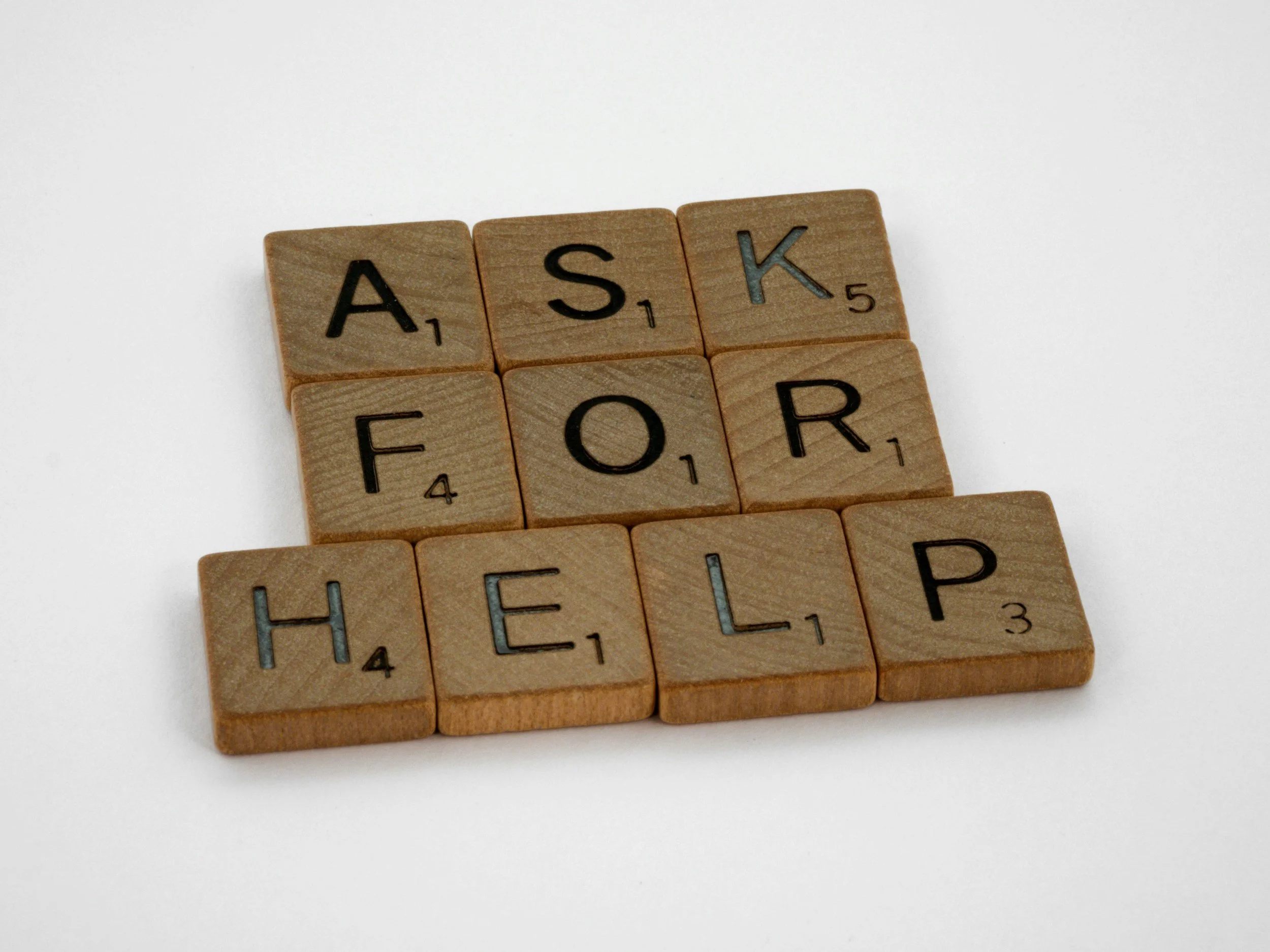
When it comes to mental health challenges, I’m a big proponent of taking a two pronged approach: Mental health support for the mental health challenges as well as working to improve the underlying cause.
Complaining To Your Boss Doesn’t Help
One other thing I see regularly is that these negative relationships get escalated. When the relationship is having a severe impact on your mental health, it’s natural that you would involve your boss or HR for some support. Note here again that what we’re talking about in this case is a relationship gone wrong, not direct bullying.
The problem is that when your boss or HR becomes involved, they investigate and usually end up seeing both sides of the situation. If both sides are accusing the other of damaging their wellbeing, there's no obvious perpetrator to admonish for their behaviour. So both individuals get spoken to about how they’re behaving, making the mental health impact worse for both and the situation spirals further.
That’s not to say don’t talk to your boss or HR about it, and that’s not to say don’t communicate with either about mental health effects it might be having. But if your approach is: “This is impacting my mental health so it’s your job to fix it”, you will probably not receive a sympathetic ear. Your mental health challenges are not your fault, they are your responsibility, so you need to be an active participant in resolving the situation.
However, if you approach your boss or HR with willingness to actually improve the situation instead of just complaining about it, they can be a great support in moving things forward. Just don’t expect them to fix it for you.
Want to see how well you do at navigating workplace relationships?
Unlock your Neurodivergent Leadership Performance Score across the four domains that matter most for neurodivergent professionals: Internal Authority, Relationship Navigation, Strategic Decisiveness and Sustainable Capability.
How to Repair a Broken Workplace Relationship
So we’ve established how a relationship sours and the things that make it worse. We’ve also spoken briefly about bullying and how bullying falls under its own separate category. So with that in mind, let’s tackle what to actually do about a bad workplace relationship, and how to get it back on track so it’s no longer derailing your career and your whole working life.
The first thing to note is that your sense of justice has probably been triggered. The other person has likely been unfair at some point. They’ve likely said something rude or offensive. You’re going to want to get some acknowledgement or apology from them to move forwards. However, you can’t make moving the relationship forwards conditional on that. Someone is more likely to admit fault if they have higher psychological safety.
I know it feels hugely difficult and that I’m telling you to just let go of their bad behaviour, but let’s be clear here: I’m not telling you to ignore it or let it go, I’m telling you to not make it a prerequisite for moving the relationship forward.
The second thing to do is ask yourself what is the true outcome you want out of the relationship? Again, an apology would be nice but that isn’t really the important outcome here. The relationship with this person deteriorated because you had to keep on interacting with them because you have to work with them. Really, the true best outcome for your career and day to day work is to be able to achieve the things you need to work together on without stress and drama.
The good news is that that’s likely the best outcome for them too. The things you need each other for in order to achieve haven’t gone away, they’ve just taken a performance impact instead. It would be beneficial to both of you to resume your progress towards these goals.

The bee and the flower may have different overall goals, but they have a shared purpose in working together, creating a mutually beneficial relationship.
What this means is that you have a shared purpose, something you both want that you’re moving towards and this is vital because it gives you a way to frame everything going forwards. Because when you are interacting with them, you ask yourself the question: “How does this thing I want to say contribute to our shared purpose?” and if it doesn’t contribute, you let it go.
Note that you might not agree on the path to arrive at that shared purpose, in fact the original disagreement might actually have been caused by differences of opinion in how to approach this goal, but as long as you have the shared purpose as a guiding light, you can keep coming back to it. Agree on what you agree on and build out from there.
Note that you only control one side of this situation, how you react, and if the other person refuses to join you in working towards the shared purpose, then that is often the time to get managers or HR involved.
The difference is that you’re no longer complaining, you’re trying to move things forwards. If you stay on that path and stay open to adapting the shared purpose and continuing to collaborate instead of falling back into complaining, then you’re far more likely to take a step forward in the relationship.
Or, if the worst comes to worst, you’re not going to be the one labelled as difficult in this situation.
Yes, This Is Really Hard
None of what I’ve described in this article is easy. It’s emotionally very difficult to be caught up in these interactions. It’s identity shattering to be a high performer who gets on with people and feel like you’re so far away from that person. It’s hugely difficult to put aside the need for resolution and apology and prioritise moving forward instead. But it’s also necessary to keep moving forward in this situation.
Of course the earlier you can intervene and start putting into practise strategies to improve the relationship, the easier it is to stop things from spiralling out of control. But sometimes we don’t catch the problem until it becomes too big to contain.
I have a whole suite of relationship navigation frameworks developed from leadership research, lived experience as a neurodivergent leader and experience coaching over 40 neurodivergent leaders from individual contributors progressing into management for the first time to heads of department and C-Suite.
Working through challenging relationships has become one of my specialist areas. So if this article resonated with you and you’re in need of support navigating your way through these relationships, get in contact and let’s talk about what one-to-one coaching would look like for your personal situation.
Want to see more?
Sign up with your email address to receive the latest thoughts on neurodivergent careers and leadership.